Runoff that stays in the trough
The contractor sets pitch and outlet locations so water moves to downspouts instead of spilling over the front edge during steady rain.
Describe your gutter job once and we'll connect you with a local contractor who installs the system and handles the details.
CALL NOW: (206) 207-2777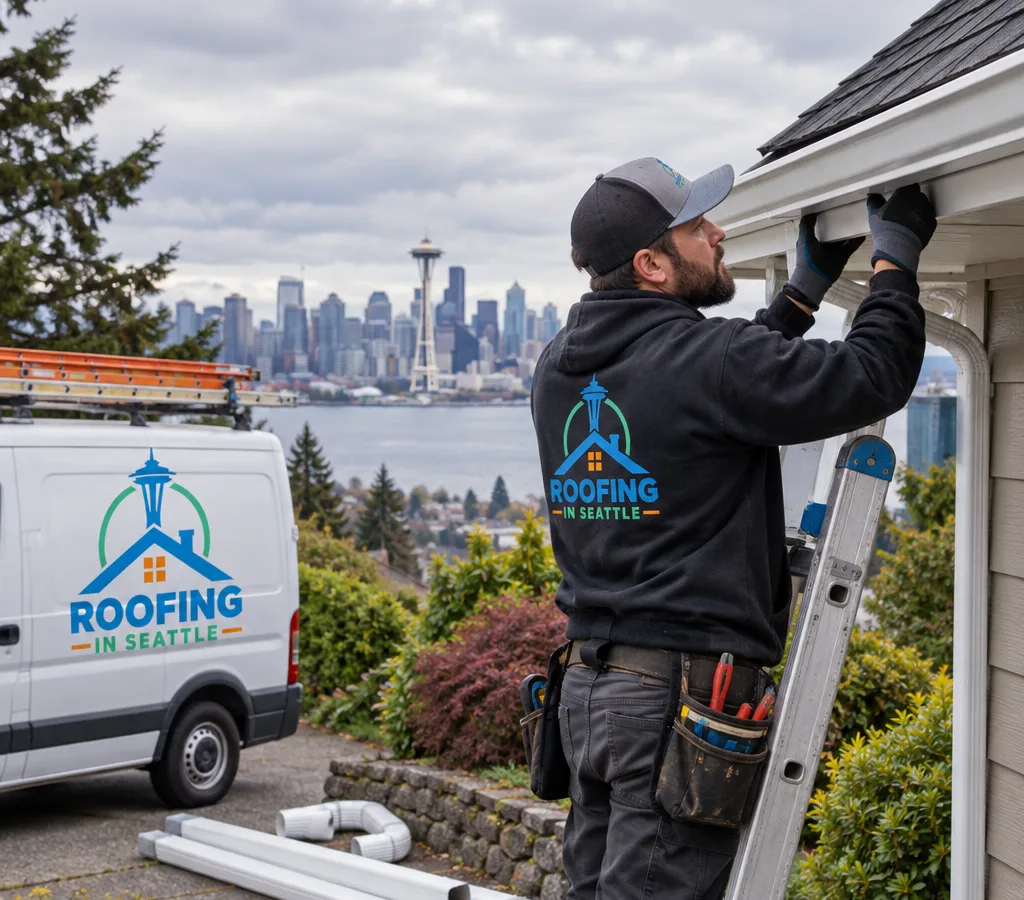
Searching for gutter installation Seattle usually means you want rainwater to leave the roof cleanly, travel through gutters without spilling, and discharge where it won't damage landscaping, siding, or foundations. A proper install is about layout as much as materials: pitch, hanger spacing, downspout placement, and details around corners and roof valleys.
The main decisions you'll make with the installer
Seattle-specific realities that affect the plan
Seattle's long wet season means gutters see sustained flow for months, not just occasional storms. Installers pay close attention to slope so water doesn't sit and to sturdy attachment at the fascia so the system stays aligned when it's carrying a heavy water load.
If you're also comparing roof drainage details as part of a larger roofing conversation, the same call can start with the gutter scope and branch out if needed with a local pro who handles roofing in Seattle.
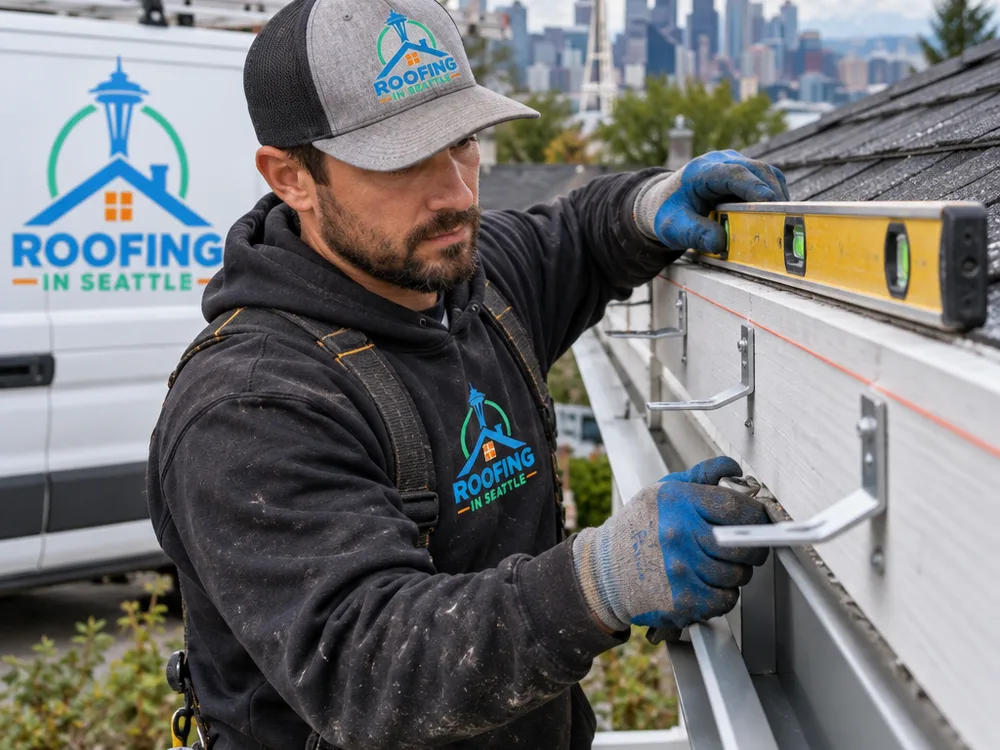
The contractor sets pitch and outlet locations so water moves to downspouts instead of spilling over the front edge during steady rain.
Installers typically use hidden hangers with screws into sound wood, and they'll flag soft fascia areas that should be addressed before hanging new gutters.
Corners and end caps are common leak points. A careful install is about clean cuts, sealed connections, and outlets that don't choke flow.
You'll talk through where water should go, especially in narrow side yards or where walkways, driveways, and entry steps are in the splash zone.
From fir needles to leaf drop, the right guard or screen choice depends on what lands on your roof and how you prefer to maintain the system.
Tell us whether this is new gutters on a house with none, a replacement, or a partial run. Mention any overflow points, leaking joints, or water landing too close to the foundation.
We match your details to an independent contractor who installs gutters in the Seattle area and can talk through options for your roof edges and downspout routing.
The contractor asks follow-up questions, reviews the scope, and provides the quote and schedule details. You decide whether to move forward.
If you're done chasing callbacks, describe the gutter run once.
Share the overflow spots and where you want the downspouts to land. We'll connect you with a local installer who can take it from there.
Describe the gutter run, the overflow spots, and where you want the downspouts to land. One call starts the local contractor connection.
CALL NOW: (206) 207-2777
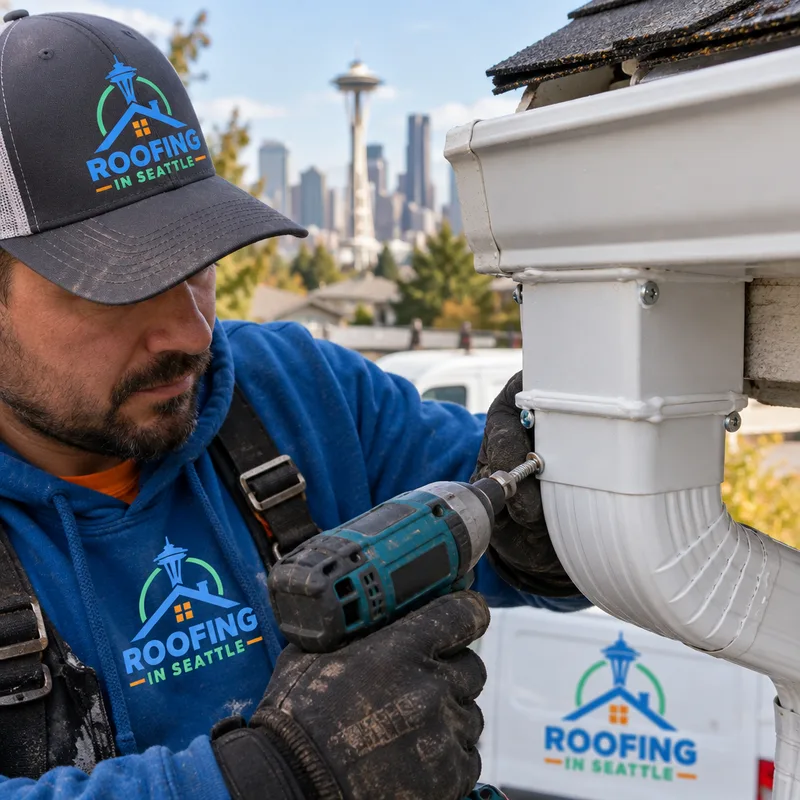
If the runs are sagging, pulling away from the fascia, or rusting through, replacement is often the cleanest path because alignment and slope can be reset end-to-end. If the issue is limited to a few leaking seams, a damaged corner, or a single downspout problem, a contractor may be able to replace sections and correct the hangers in that area.
Start with what you see: where water overflows, where it drips, and whether the problem happens in light rain or only during heavier storms. It also helps to mention how many stories the home is, whether you have a steep roof, and if any areas are hard to access.
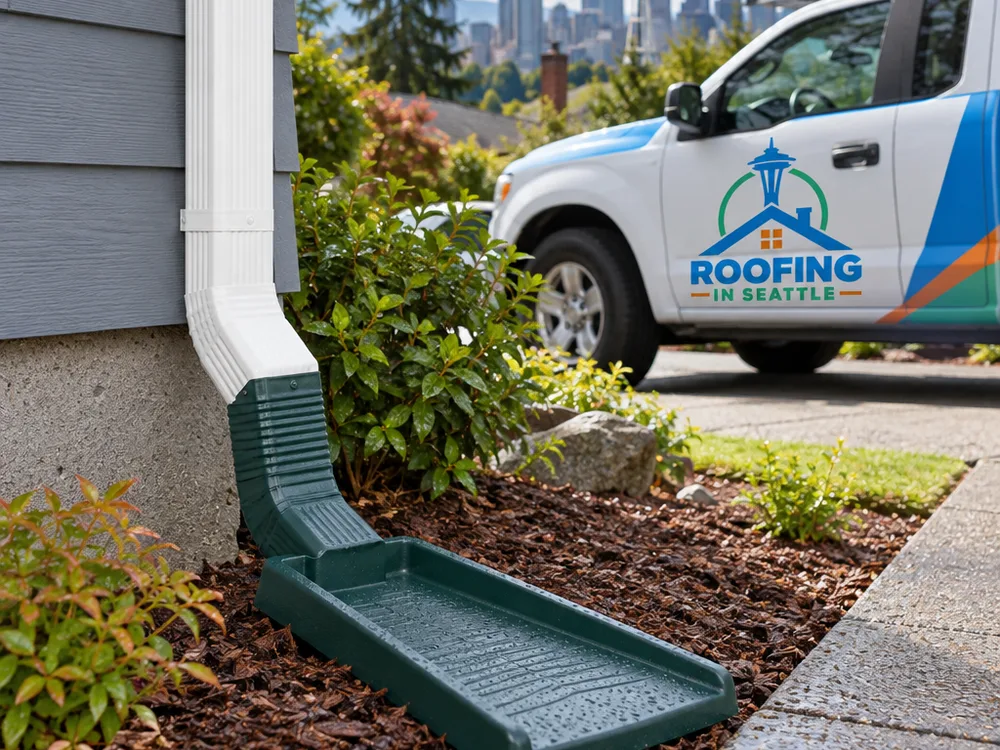
Downspout locations are planned around roof runoff paths, practical discharge areas, and the ability to move water away from the structure. The contractor will look for collection points like valleys and talk with you about avoiding splash onto walkways, patios, and entry steps.
New gutters need solid wood to hold hangers and keep pitch consistent, so soft fascia usually has to be addressed as part of the project scope. The contractor can explain whether fascia repairs are needed before hanging the new system.
Guards can reduce clogs, but performance depends on the type of debris and roof edge conditions. In areas with frequent needle drop or small debris, some covers can still require periodic cleaning. The contractor can recommend a style that matches your roofline and maintenance preferences.
Many homes can be installed in a single workday, but timing depends on home size, number of corners, fascia condition, and how complex the downspout routing is. Multi-story homes or houses with multiple rooflines often take longer because setup, access, and detail work increase.
Gutters help when the main issue is roof runoff landing next to the foundation or dumping in one spot, but they can't solve every drainage problem by themselves. The contractor can look at where downspouts discharge and whether extensions or connection to an existing drain line is appropriate.
Sectional gutters are assembled from pre-cut lengths with more joints, while seamless gutters are formed to length and typically have fewer connection points. Fewer seams usually means fewer places for leaks to develop over time, assuming corners and outlets are detailed correctly.
You call Roofing in Seattle once with the details, and then you talk directly with the local contractor who handles gutter installation. The contractor reviews the scope, answers technical questions, and provides the quote so you can decide what you want to do.
Tell us what's happening at the roof edge and where the water is landing. We'll connect you with a local contractor who installs gutters in Seattle and can walk through options for size, downspouts, and finish details.
CALL NOW: (206) 207-2777Service Area
Our referral network covers Seattle, Washington and nearby communities — explore the map to see the neighborhoods and surrounding areas we serve.