Tear-off vs. overlay
The contractor will explain whether the old roof needs to be removed down to the deck or whether an additional layer is even allowed or advisable for your roof.
Describe what's happening once and we'll connect you with a local roofing contractor in Seattle who handles full roof replacements.
CALL NOW: (206) 207-2777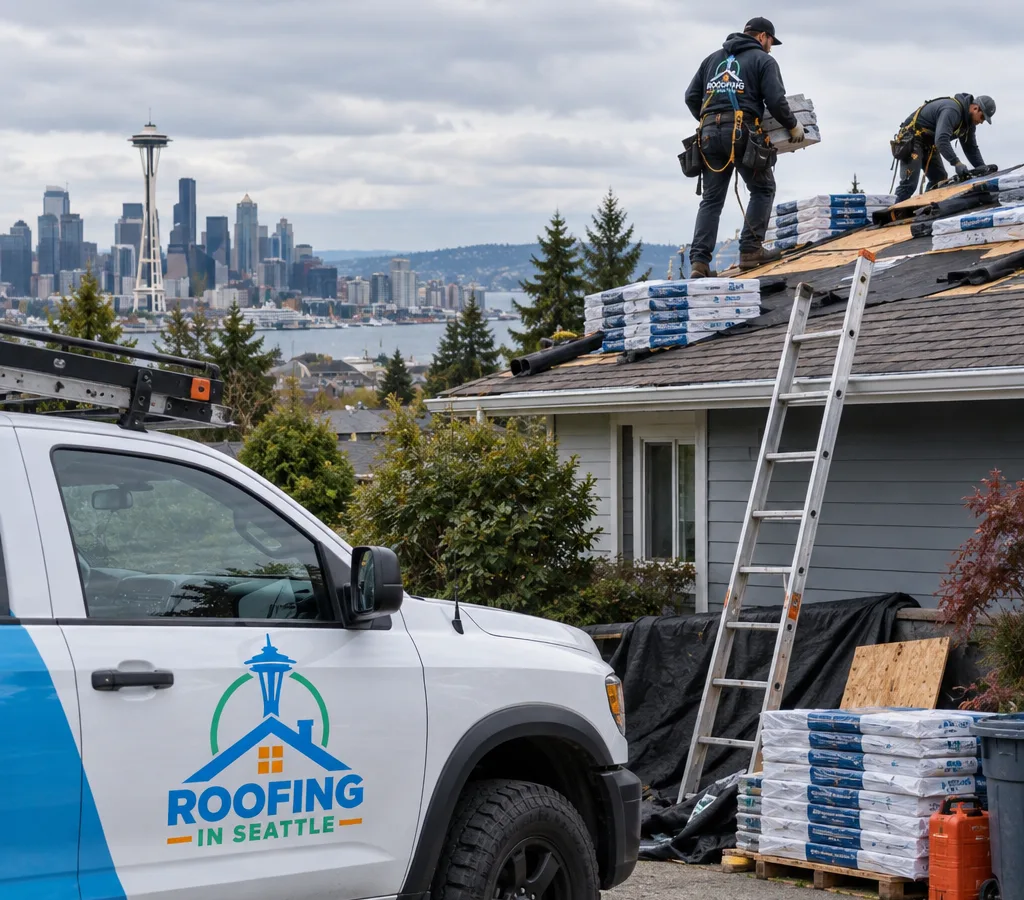
Searching for roof replacement Seattle usually starts the same way: recurring leaks, missing shingles after a windstorm, or a roof that's simply at the end of its service life. A repair can buy time, but there are clear situations where replacing the roof is the safer, more predictable path.
A contractor will often recommend a full Seattle roof replacement when:
Seattle's long wet season makes small failures show up quickly. Water that gets past the surface usually travels along underlayment, nail lines, and decking seams before it becomes a ceiling stain. That's why roof replacement planning starts with locating the pathway, not just the drip point.
If you're not sure which side you're on, Roofing in Seattle is built for the first step: one phone call where you describe the roof type, what you're seeing, and how urgent it feels. We connect you with a local contractor who can evaluate whether you're looking at targeted repairs or a full replacement.
The contractor will explain whether the old roof needs to be removed down to the deck or whether an additional layer is even allowed or advisable for your roof.
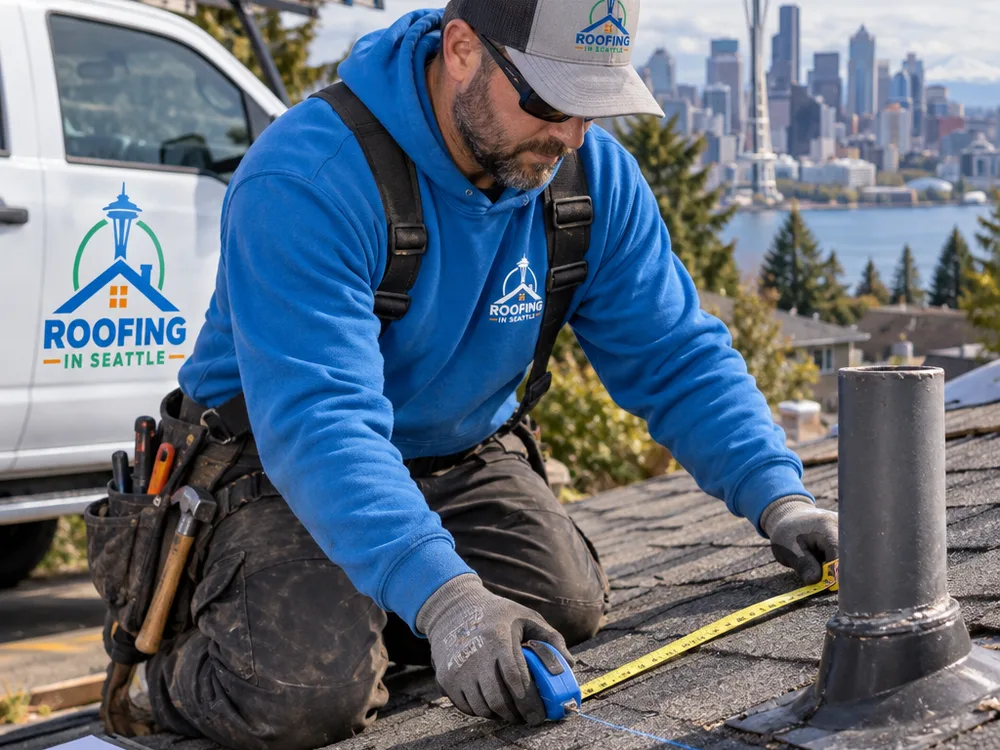
Expect the roof deck to be inspected for rot or delamination, plus a look at attic intake and exhaust so moisture doesn't get trapped under the new system.
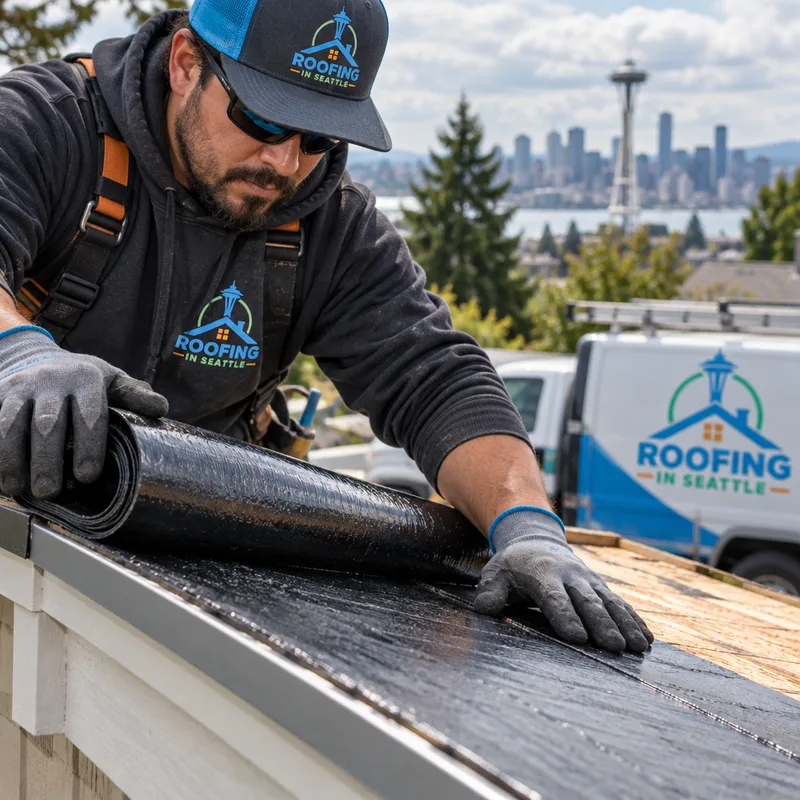
A good plan includes the right underlayment and targeted waterproofing at eaves, valleys, and penetrations where leaks often start.
Many leaks come from step flashing, counterflashing, pipe boots, and skylight curbs rather than the field shingles. These details are usually replaced, not reused.
Depending on slope and architecture, the contractor may discuss architectural asphalt shingles, standing-seam metal, or membrane roofing for low-slope sections.
Roof replacement is messy. Ask how landscaping is protected, where debris is staged, and what the final magnet sweep and haul-off plan looks like.
Share the roof type (shingle, metal, flat or low-slope), the age if you know it, where leaks show up, and anything recent like wind damage or falling limbs.
Roofing in Seattle routes your details to an independent contractor who works in the Seattle area and takes on full replacements.
The contractor checks the surface, flashings, valleys, gutters, and attic conditions when accessible. This is where replacement scope, materials, and sequencing get defined.
Most full reroofs are multi-day projects depending on roof size, complexity, and weather. When the work wraps up, you review key areas like flashings, edges, and cleanup.
If the roof is leaking or the shingles are wearing out across large areas, describe what you're seeing once and get connected with a local contractor who can take the next step with you.
CALL NOW: (206) 207-2777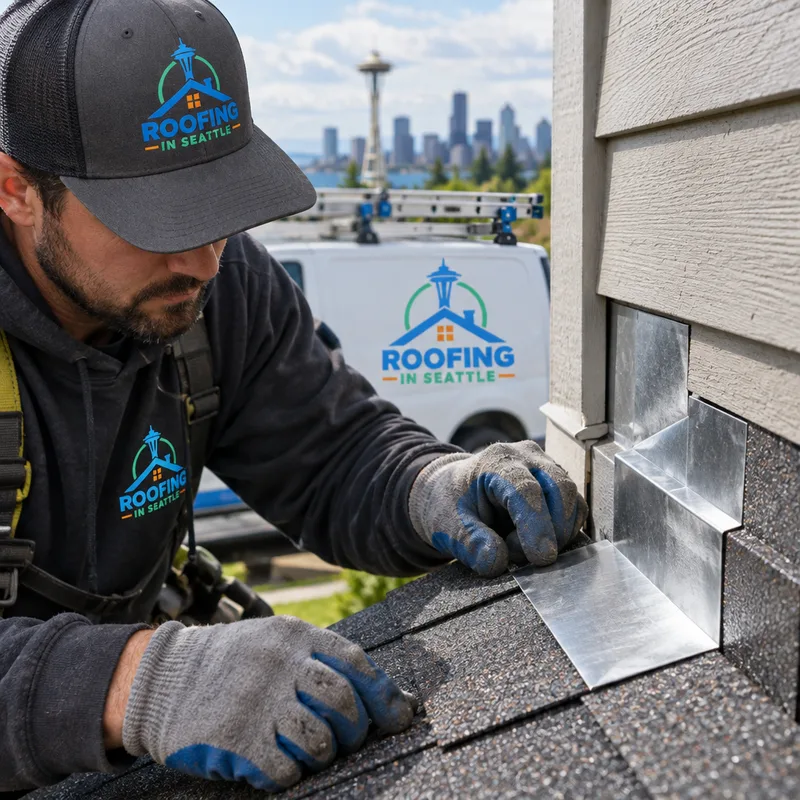
The most helpful details are roof type, approximate age, number of stories, and what symptoms you're seeing (leak location, missing shingles, sagging, moss buildup). If you can safely do so, note whether the leak appears near a chimney, skylight, valley, or vent pipe because those transitions often drive the scope.
A contractor looks at how widespread the wear is and whether the roof system still has a reliable waterproof layer. If failures are isolated and the surrounding shingles and flashings are sound, repairs may be reasonable. When problems repeat across multiple areas, or the roof is brittle and near end-of-life, replacement is usually easier to make watertight for the long term.
Many Seattle homes use architectural asphalt shingles on steep-slope areas, while some homes use standing-seam metal, and low-slope sections often need a membrane system. The right choice depends on slope, roof geometry, tree cover, and how the roof ties into walls and transitions, so the contractor will match the material to your roof design rather than push a one-size option.
Many replacements involve tear-off so the contractor can inspect the deck, fix damaged sections, and rebuild flashings cleanly. Whether an overlay is possible depends on roof condition and local requirements, plus how many layers are already present. The contractor you speak with can explain what is practical for your roof once they see it.
Roof replacement is loud at times, and debris handling is part of the job plan. Ask where materials and tear-off debris will be staged, how plants and hardscapes are protected, and what cleanup steps are taken at the end of each day and at final completion.
Because rain can interrupt tear-off and installation, contractors plan sequencing to keep the home dried-in as sections are replaced. It's normal for the contractor to discuss how tarping, underlayment, and daily stopping points are handled so the roof remains protected during changing conditions.
Many reroof projects require permitting, and requirements can vary by scope and property type. The contractor can tell you what applies to your address and whether any additional approvals are needed for items like structural repairs or ventilation changes.
You describe the roof replacement job once, and we connect you with a local independent contractor who takes on full roof replacements in the Seattle area. You speak directly with the contractor about scope, materials, scheduling, and any warranty terms, and you decide whether to proceed.
Explain what you're seeing and what kind of roof you have, and we'll connect you with a local Seattle contractor who can evaluate the replacement and walk you through next steps.
CALL NOW: (206) 207-2777Service Area
Our referral network covers Seattle, Washington and nearby communities — explore the map to see the neighborhoods and surrounding areas we serve.