One description of the job
Explain the leak, the material, and what you've noticed once, then talk directly with a roof contractor who handles that kind of work.
Describe the roof problem once and we'll connect you with a local contractor who works on Seattle-area roofs every week.
CALL NOW: (206) 207-2777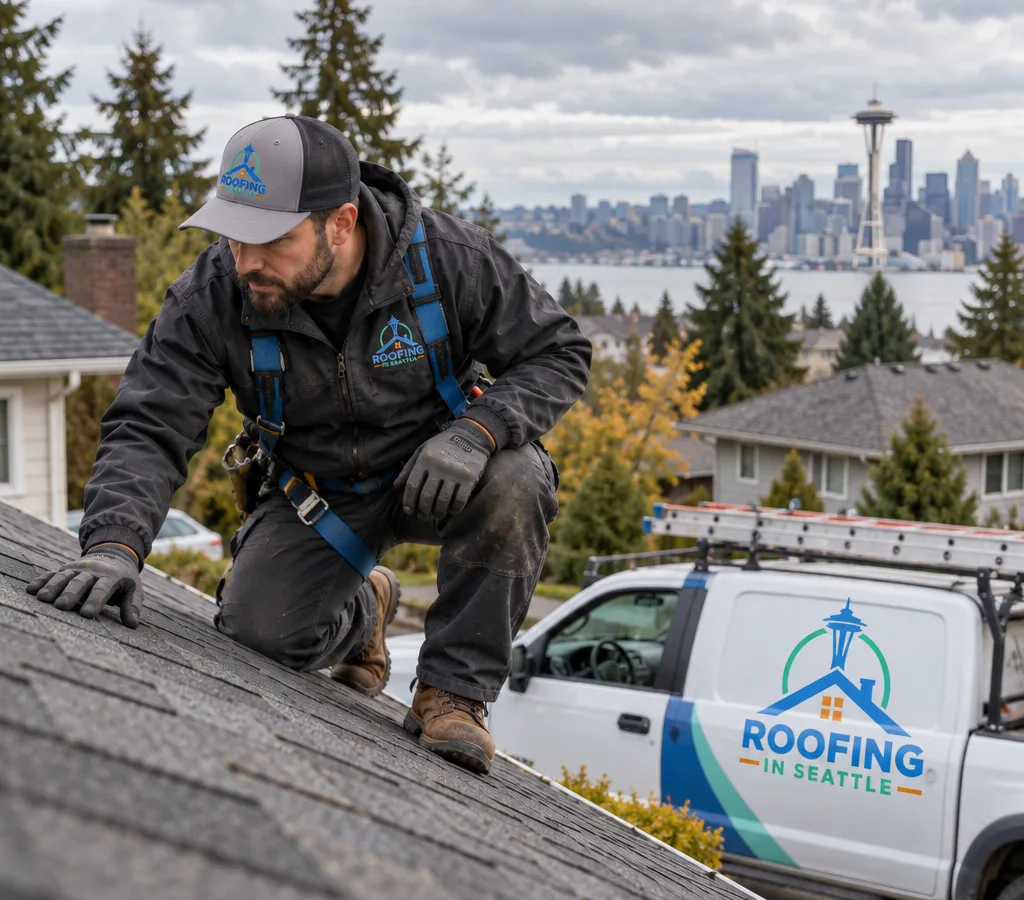
Searching for roofing contractors in Seattle WA usually means you're trying to solve two problems at once: the roof issue itself, and the time it takes to track down a contractor who actually does this kind of work.
Roofing in Seattle connects homeowners with independent roofing contractors who serve Seattle and nearby communities. You describe what you're seeing—leak, missing shingles, soft spots, skylight trouble, moss and debris buildup, or a roof that is simply at end of life. Then you're connected with a local contractor who can look at the roof, explain options, and give you their recommendation.
Seattle roofs deal with months of wet weather, wind-driven rain, and a lot of tree cover. That changes what a contractor looks for. Moisture can travel along underlayment, show up far from the entry point, and create rot at plywood sheathing or around penetrations like vents and chimneys. A good roofing contractor starts by tracing water paths and checking the roof system as a whole, not just replacing the shingle you can see from the ground.
If you're not sure whether you need a repair, maintenance, or a full replacement, that's normal. The contractor you speak with can walk through what's likely going on based on symptoms, roof age, and what kind of roof you have now.
Many Seattle reroofs and roof replacements also involve permits and inspections. In the city, that typically runs through the Seattle Department of Construction and Inspections (SDCI), and requirements can depend on the scope of the work and whether structural changes are involved.
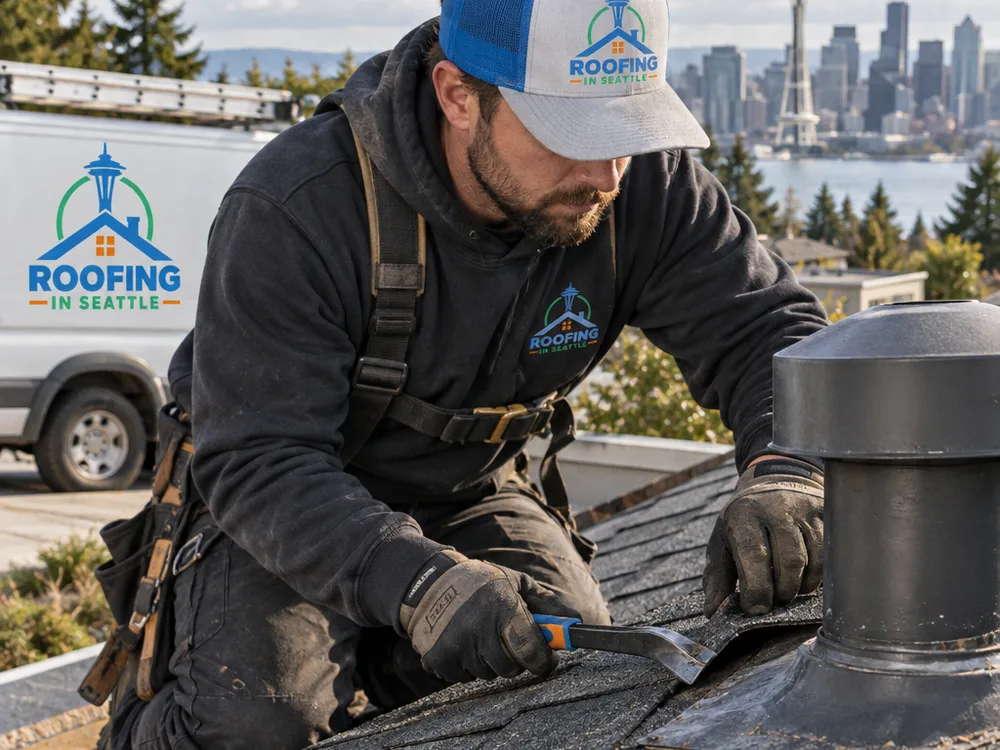
Explain the leak, the material, and what you've noticed once, then talk directly with a roof contractor who handles that kind of work.
Seattle-area roofs see long wet seasons, moss, and debris from evergreens. The contractors we connect you with work in these conditions.
Ask questions, compare recommendations, and decide whether to proceed. The contractor provides the quote and does the work.
A roofing contractor can explain what's failing: shingles, flashing, underlayment, ventilation, or the roof deck beneath.
You'll know what details to gather before anyone looks at the roof, which makes the first call more productive.
Share the basics: the roof type you have (if you know it), where you're seeing water or damage, how long it's been happening, and whether the roof is accessible.
You're connected with an independent contractor who takes on roofing work in Seattle and can discuss next steps based on your situation.
The contractor can schedule a look, explain what they find, and provide their quote. You choose whether to move forward.
If water is showing up on drywall, around a chimney, or near a bathroom fan, describe what you're seeing once and get connected with a roofing contractor in Seattle.
CALL NOW: (206) 207-2777The first visit is usually about diagnosis: confirming the failure point and checking whether the issue is isolated or system-wide.
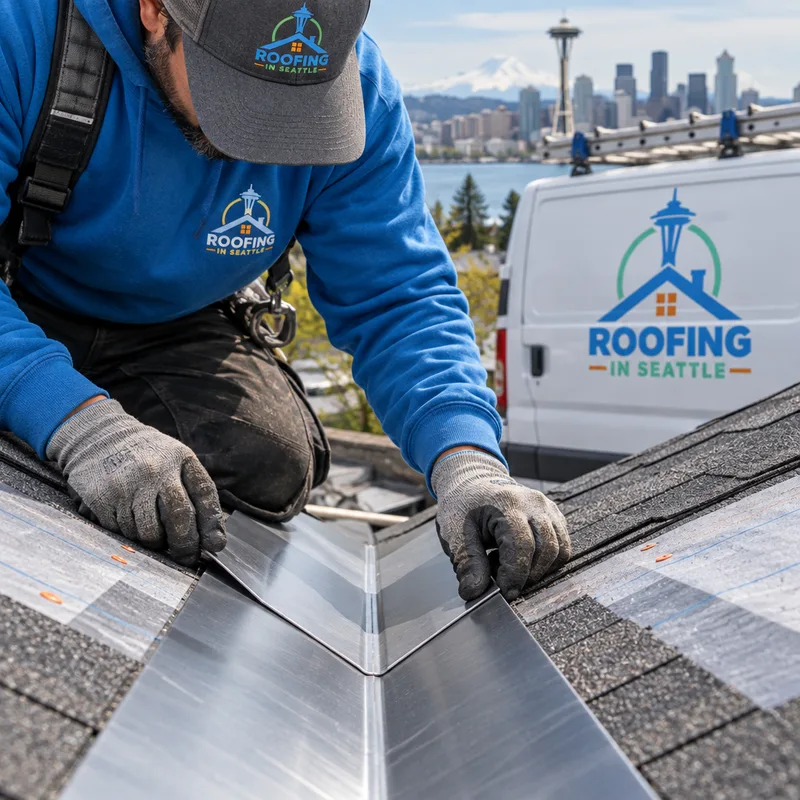
Seattle's mix of older homes and additions also creates patched valleys and tie-ins where newer roof sections meet older work. Those transitions often deserve close attention.
Have a short description of what you're seeing and when it happens, plus the roof type if you know it. It also helps to mention whether the home has an accessible attic, because contractors may need to distinguish an exterior leak from interior condensation.
A repair is more likely when the issue is tied to one area such as a vent boot, skylight, chimney, or small section of wind damage. Replacement is more likely when wear is widespread or there are multiple leak points. A contractor can check the roof surface, flashings, and deck condition.
No. Water often travels along sheathing or framing before it appears on a ceiling or wall. With wind-driven rain, the entry point can be upslope or off to the side, so contractors often trace the path from both the roof surface and attic.
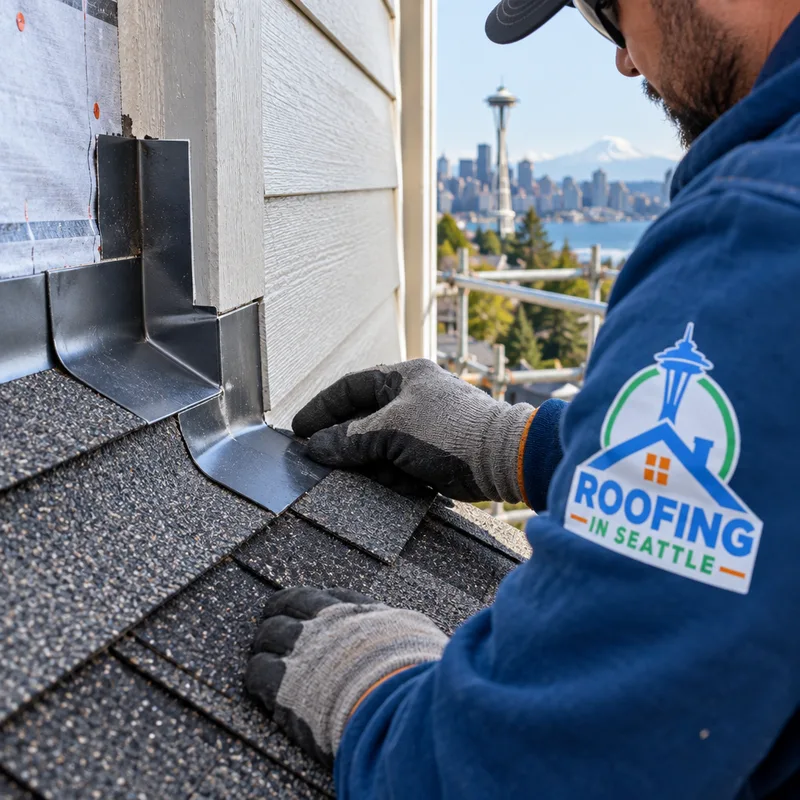
A contractor usually checks step flashing, counterflashing, appropriate sealants, and how roofing ties into the chimney or skylight curb. They may also determine whether a skylight problem comes from flashing, weep channels, glazing seals, or the unit itself.
A typical replacement includes tear-off when needed, inspection of the roof deck, replacement of damaged sheathing, and installation of underlayment, roofing material, and flashings. The contractor can explain project timing, landscape protection, and debris management.
Permitting depends on the scope and what is being changed. Structural repairs, roof-framing changes, or certain material changes may involve additional requirements. The contractor can explain what applies and how inspections are handled through SDCI.
Roofing in Seattle connects you with a local contractor so you can discuss the problem, receive that contractor's recommendation and quote, and decide whether to proceed. You can compare what contractors say about materials, flashing, ventilation, and scope.
Pick up the phone, describe what's happening on your roof once, and get connected with a local contractor who can inspect it and explain your options.
CALL NOW: (206) 207-2777Service Area
Our referral network covers Seattle, Washington and nearby communities — explore the map to see the neighborhoods and surrounding areas we serve.