Describe it once
Explain the roof type, what you're seeing, and your timing, then get connected with a contractor who handles roof replacement.
Describe your roof and goals once, and we'll connect you with a local Seattle-area contractor who can assess it and talk through options.
CALL NOW: (206) 207-2777If you're researching Seattle roof replacement cost, you're usually trying to answer two questions: what's involved in a proper reroof, and what details make the numbers move up or down. The contractor who ultimately prices the job will base it on what they can see on your roof, what they can confirm at the deck, and what's required for safe water-shedding in our wet climate.
Seattle's long rainy season puts a spotlight on flashing, underlayment, and ventilation. Roofs here fail less from dramatic storms and more from years of water working into weak points: old pipe boots, tired sealant at metal joints, or valleys that hold debris. On many homes, the right scope is not only “new shingles,” but also the system underneath that keeps water out.
The factors that most often control the cost to replace a roof in Seattle include:
Some Seattle neighborhoods bring specific considerations. Homes in Ballard and Greenwood often have older rooflines and multiple penetrations from remodels. In Queen Anne, steeper slopes and complex architecture can add setup and safety requirements. In West Seattle, wind exposure near the water can make edge metal and fastening details a bigger part of the discussion.
Roof replacement is usually a multi-day project rather than a months-long remodel. The most useful planning detail is clarity about what will be replaced—roof covering, underlayment, flashing, ventilation, gutters, or sheathing repairs—and what will remain. A local contractor can walk through those decisions on your home.
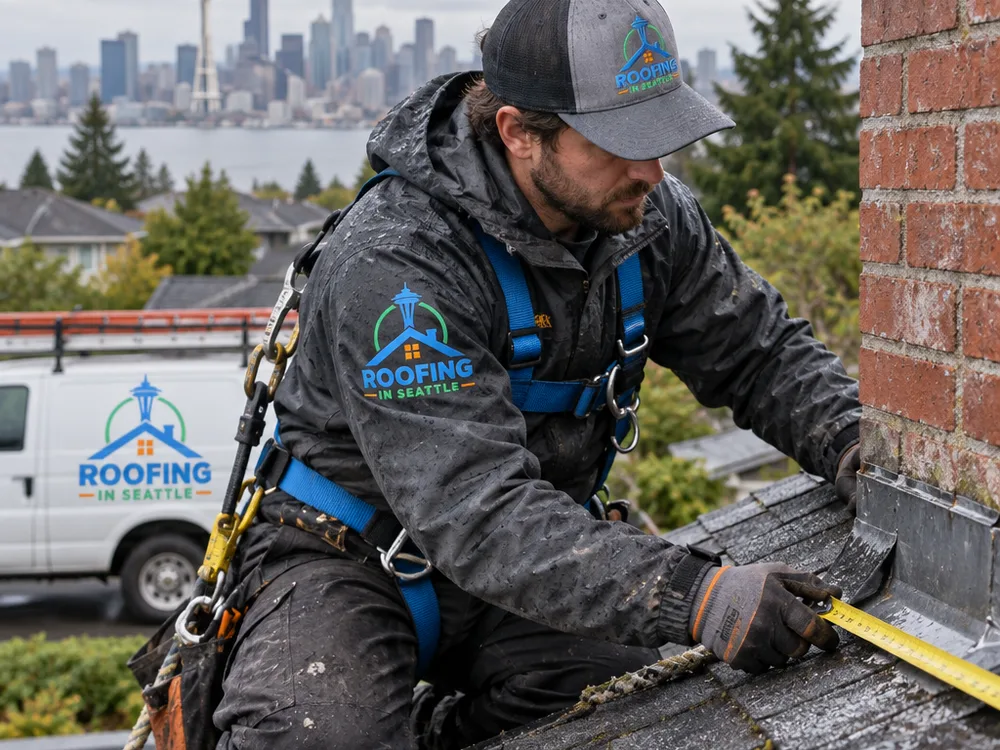
Explain the roof type, what you're seeing, and your timing, then get connected with a contractor who handles roof replacement.
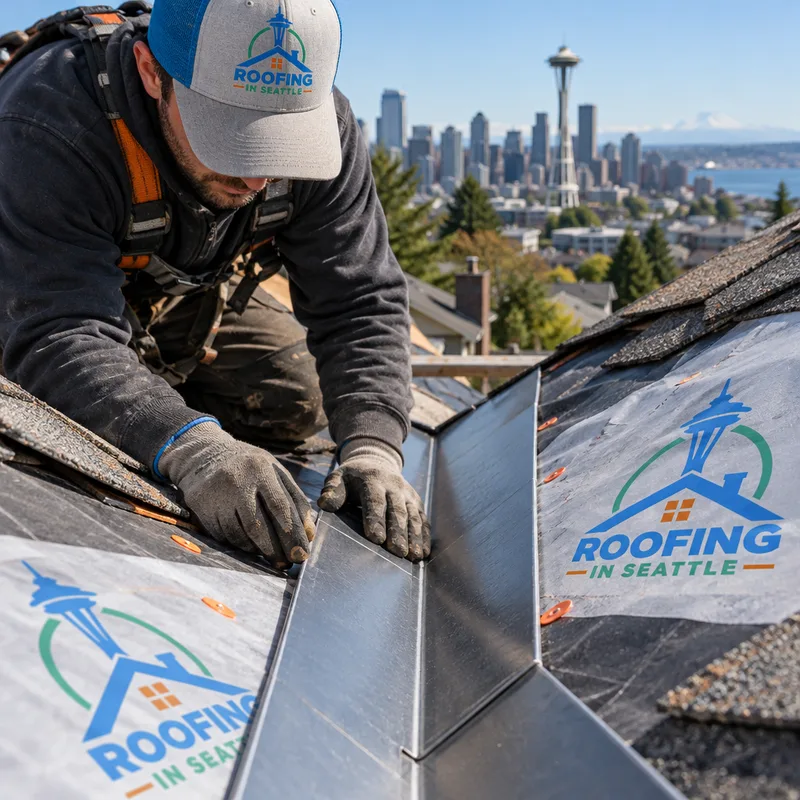
Seattle rain and moss growth make details like valleys, flashings, and ventilation part of the real scope, not add-ons.
You'll ask questions, share photos, and get the quote from the contractor who would do the work.
Whether you have composition shingles, metal, or a low-slope section, the contractor can explain material and system options.
When you know what each bid includes—tear-off, underlayment, flashing, ventilation, and deck-repair allowances—it's easier to compare.
Tell us your area, roof type if known, approximate age, problems you've noticed, and whether there are skylights, chimneys, or low-slope sections.
We match your description to a Seattle-area contractor who takes on roof replacements and can discuss what they need to see to price it.
The contractor typically checks roof planes, penetrations, valleys, attic ventilation signs, and conditions at edges and transitions, then explains what should be replaced and why.
The contractor provides pricing and options. You decide whether to proceed, ask for revisions, or seek another comparison.
If you want a real answer to how much it is to replace a roof in Seattle, the fastest path is a clear scope. Describe your roof once, and get connected with a local contractor who can evaluate it and explain what drives the number.
CALL NOW: (206) 207-2777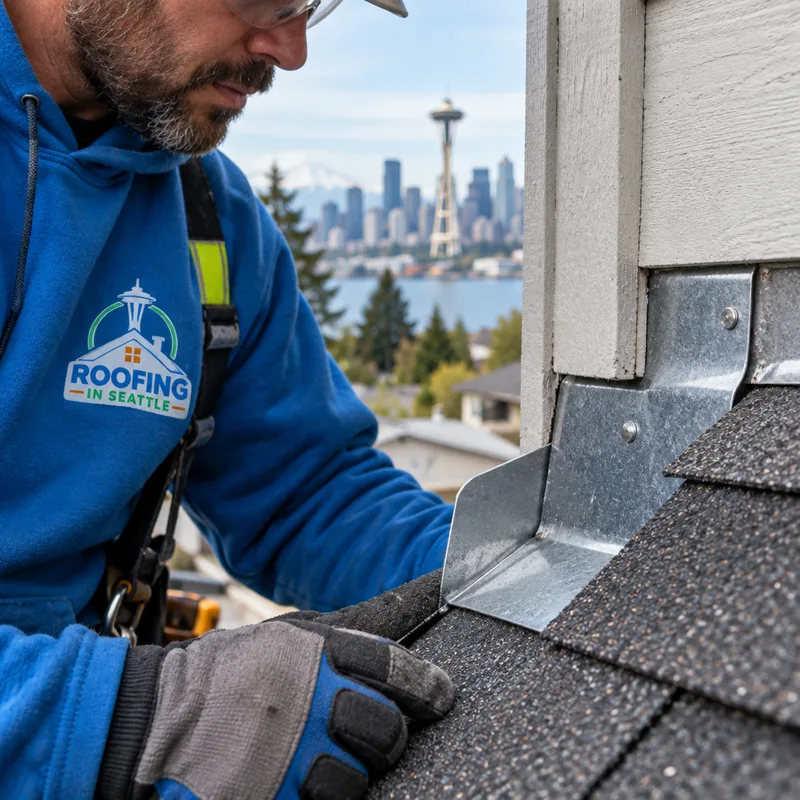
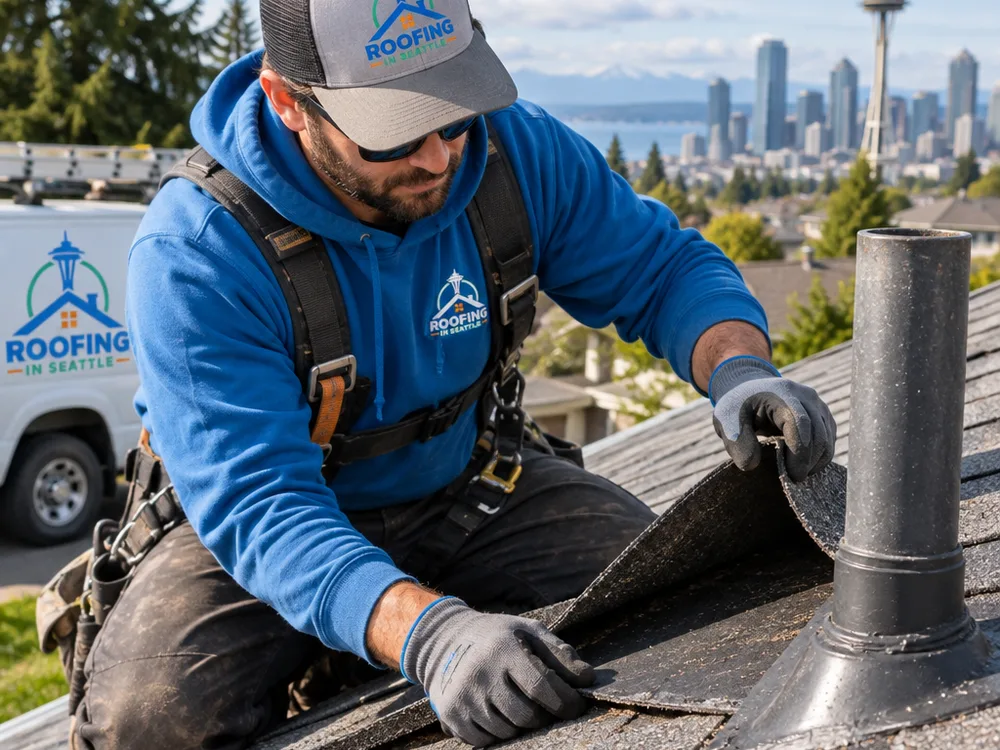
Have your roof age, even if it is a guess, the material type, and a short description of what's happening ready. Helpful details include whether a leak appears only in heavy rain, whether there are skylights or a chimney, how many stories the home has, and whether there are low-slope areas.
A contractor typically inspects roof planes for wear, checks valleys and edges, and looks closely at vents, skylights, and chimneys. They may also look for ventilation problems such as moisture staining in the attic because those conditions can affect the scope.
Not always, but many replacements are priced as a full tear-off because it lets the contractor confirm deck condition and rebuild the roof as a complete water-shedding system. A contractor can explain whether an overlay is appropriate and what tradeoffs it creates.
Steeper and more complex roofs usually take more labor because of safety setup and the amount of cutting and flashing around intersections. Dormers, valleys, and roof-to-wall transitions add time and material because each detail needs correct layering for wind-driven rain.
They can because heavy moss holds moisture against the roof surface and can accelerate granule loss and edge lifting. Contractors may pay extra attention to underlayment choices, drip edge, and valley details and discuss ways to reduce future growth.
Homeowners commonly compare asphalt shingles and metal, while low-slope sections may require a membrane system. The contractor can recommend materials based on pitch, drainage paths, complexity, and how the roof ties into walls, chimneys, and skylights.
Permitting depends on the exact scope and jurisdiction, especially when there are sheathing repairs or ventilation changes. The contractor you speak with can explain what they typically pull and what they need from you.
Compare scope before totals. Ask what underlayment is included, what flashing is replaced versus reused, how ventilation is addressed, whether drip edge and valley metal are included, how deck repairs are handled, and what cleanup and disposal include.
If you're trying to pin down the average roof replacement cost in Seattle for your specific home, the next step is a contractor looking at the roof and confirming scope. Describe what you have once, and we'll connect you with a local contractor who can take it from there.
CALL NOW: (206) 207-2777Service Area
Our referral network covers Seattle, Washington and nearby communities — explore the map to see the neighborhoods and surrounding areas we serve.