Leak tracing without guesswork
Water stains inside don't always line up with the entry point. An inspection focuses on the common paths: flashing, valleys, penetrations, and underlayment failures.
Describe what you're seeing once and we'll connect you with a local roofing contractor who can inspect it and explain the next steps.
CALL NOW: (206) 207-2777
A roof inspection is a condition check of the roof system, not just the shingles. For a typical roof inspection in Seattle, the contractor looks for active leaks, early wear, installation issues, and storm or wind damage, then explains what matters now versus what can be planned.
A thorough roofing inspection in Seattle usually includes:
After a Seattle roof inspection, homeowners typically want two things: clear findings and a short list of next steps. The contractor can talk through whether you're looking at a focused repair, maintenance items, or signs that it's time to plan for bigger work.
If you're deciding whether to repair or replace, a general overview of how roofers approach broader roofing work can help you understand options before committing to any scope.
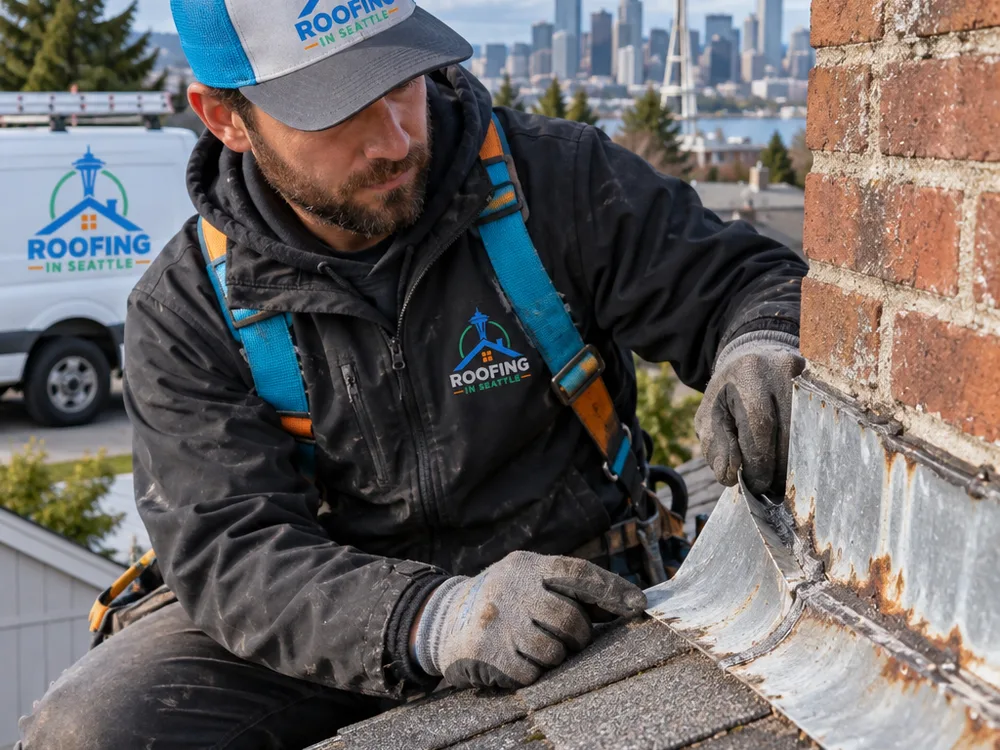
Water stains inside don't always line up with the entry point. An inspection focuses on the common paths: flashing, valleys, penetrations, and underlayment failures.
Long wet stretches make small issues show up as stains, swelling, or moss growth. An inspection helps sort cosmetic issues from water-entry risks.
You can ask for notes and photos so you can prioritize repairs, compare recommendations, and keep a record for future work.
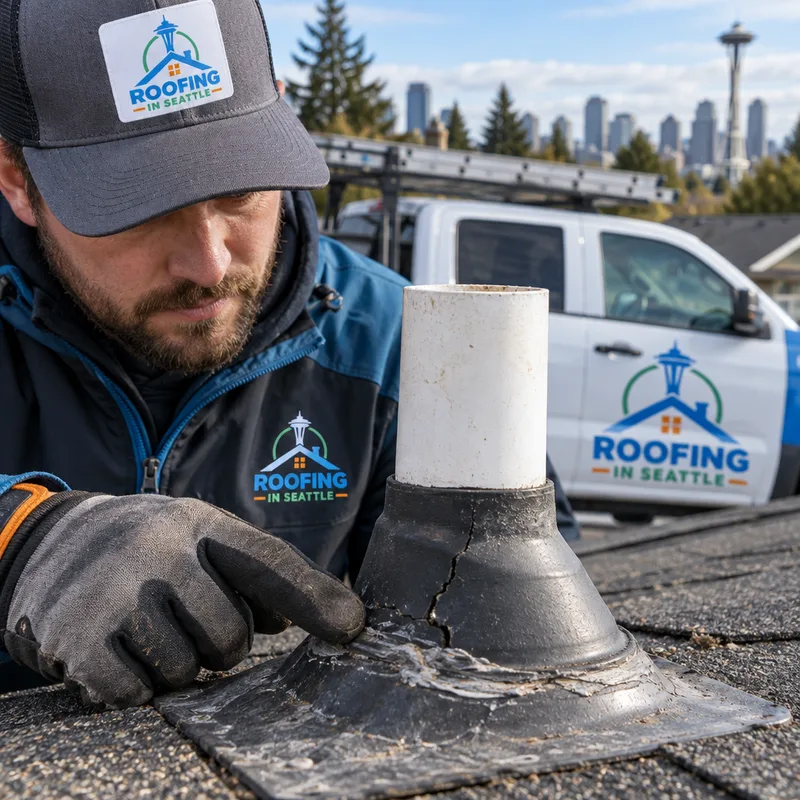
A good inspection separates isolated problems, such as a failed pipe boot, from patterns that point to widespread wear or installation issues.
When timelines are tight, a roof condition check helps you understand what you're inheriting and what may need attention soon.
Mention roof type if you know it, the approximate age, steepness, and what you're seeing: staining, dripping, missing shingles, moss, or debris.
Roofing in Seattle routes your call to an independent contractor who serves Seattle and nearby areas and handles this kind of inspection.
You'll speak directly with the contractor about what they observed, what looks urgent, and what can be scheduled or monitored.
If repairs or follow-up work are recommended, you choose whether to proceed and on what schedule.
If you're seeing a stain, drip, or shingle damage, describing it once is the easiest way to reach a local contractor who can inspect the roof and explain what it means.
CALL NOW: (206) 207-2777
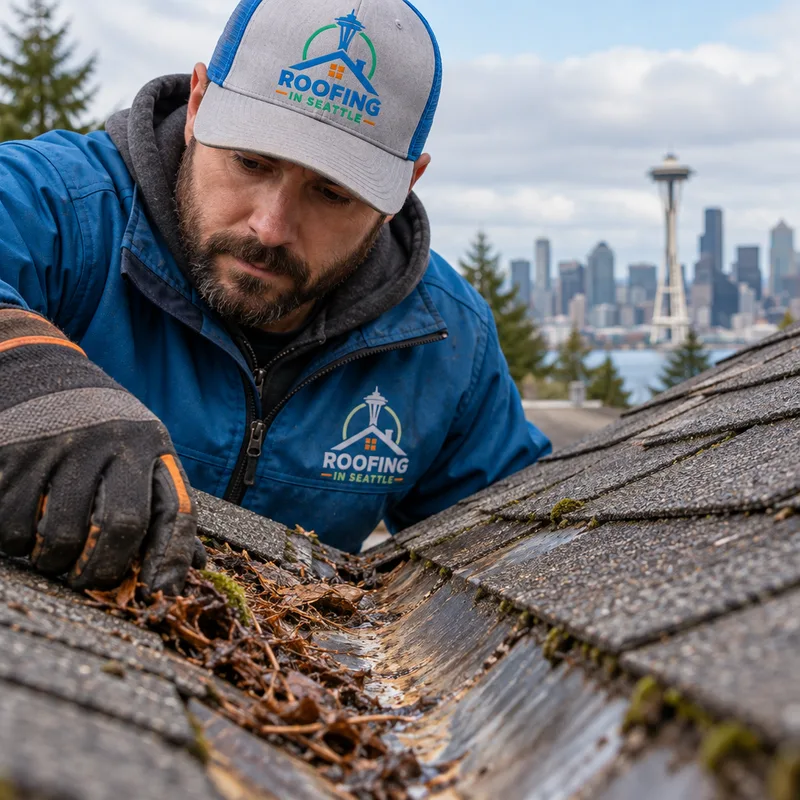
Schedule a roof inspection when you see interior staining, a drip during rain, shingle pieces in the yard, moss lifting shingle edges, or after a windstorm that may have loosened ridge caps or flashing. During Seattle's wet season, small openings can show up quickly as stains, so checking the roof can help clarify what needs attention.
Share the roof type if you know it, the number of stories, how steep it is, and what symptom you see, such as a leak location, missing shingles, a sagging line, or debris in gutters. Mention difficult access as well, since it affects inspection planning.
It depends on roof height, pitch, surface condition, and safe access. Many problems can be identified by reviewing edges, penetrations, and valleys, while some findings require getting onto the roof. The contractor will explain the approach that makes sense.
Roof penetrations and transitions are frequent trouble spots, including plumbing vents, skylights, chimneys, and roof-to-wall areas. Valleys and gutter lines also matter because water concentrates there and debris can hold moisture against the surface.
Recommendations may include replacing damaged shingles or ridge caps, repairing flashing, replacing a failed pipe boot, resealing specific penetrations, or addressing compromised underlayment. Widespread wear may lead to a discussion about planning replacement rather than repeating spot repairs.
Being available helps because you can point out staining or dripping and discuss findings directly. If the contractor needs to look in an attic or top-floor ceiling area, interior access is typically required, so mention which spaces are accessible.
An inspection focuses on diagnosing condition and specific failure points. A replacement consultation usually focuses on scope, material options, and how broader work would be handled. Inspection findings may lead to a deeper replacement-planning conversation.
Contractors commonly inspect asphalt composition shingles on pitched roofs and membranes on low-slope sections such as porches or additions. Seattle homes also often have multiple valleys, dormers, and skylights that add transition points where leaks can start.
Explain what you've noticed once and Roofing in Seattle will connect you with a local contractor who can perform a roof inspection and talk through what they found and what to do next.
CALL NOW: (206) 207-2777Service Area
Our referral network covers Seattle, Washington and nearby communities — explore the map to see the neighborhoods and surrounding areas we serve.