Describe it once
Tell us the roof type, where the moss is building up, and what you've noticed. We use that to connect you with a local contractor who handles this job.
Describe what you're seeing once and we'll connect you with a local contractor who handles roof moss removal and cleanup.
CALL NOW: (206) 207-2777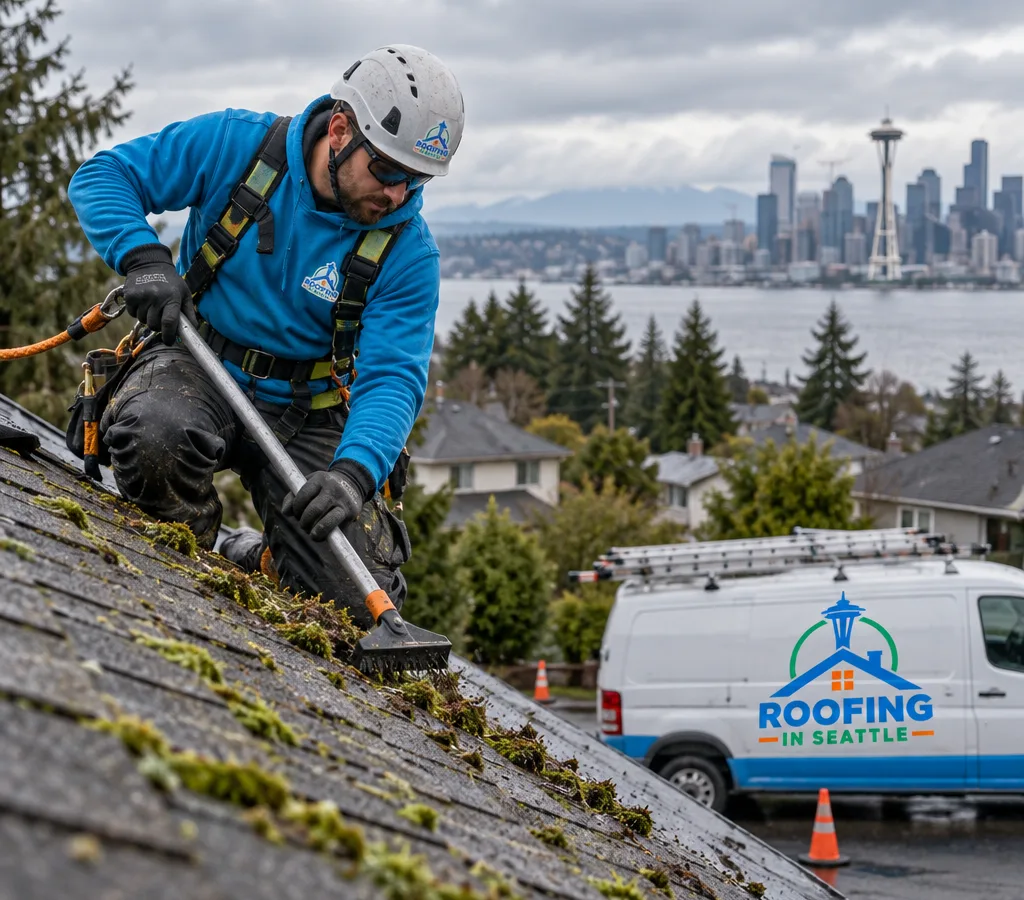
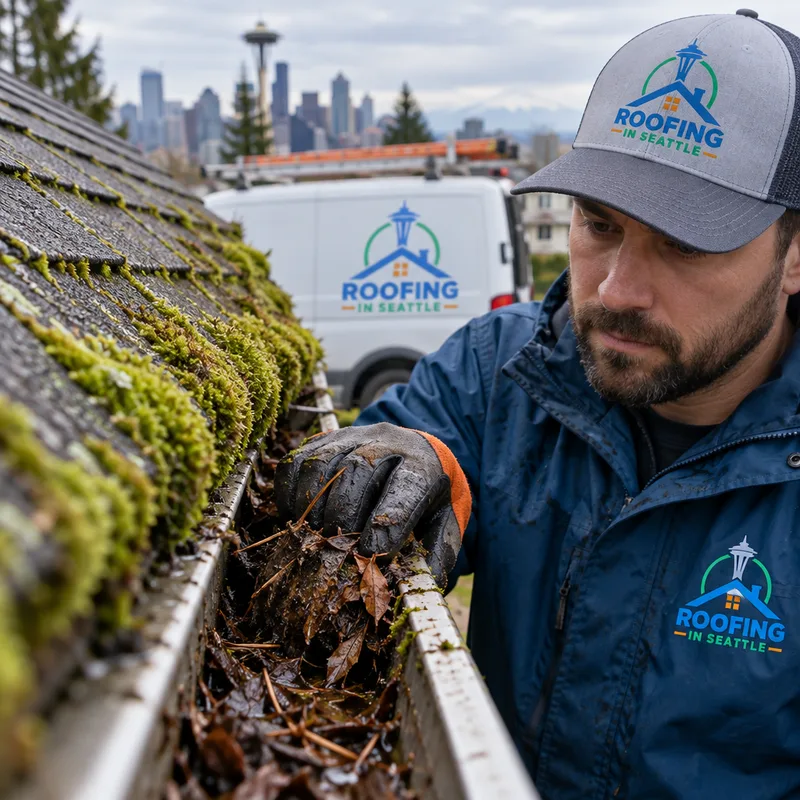
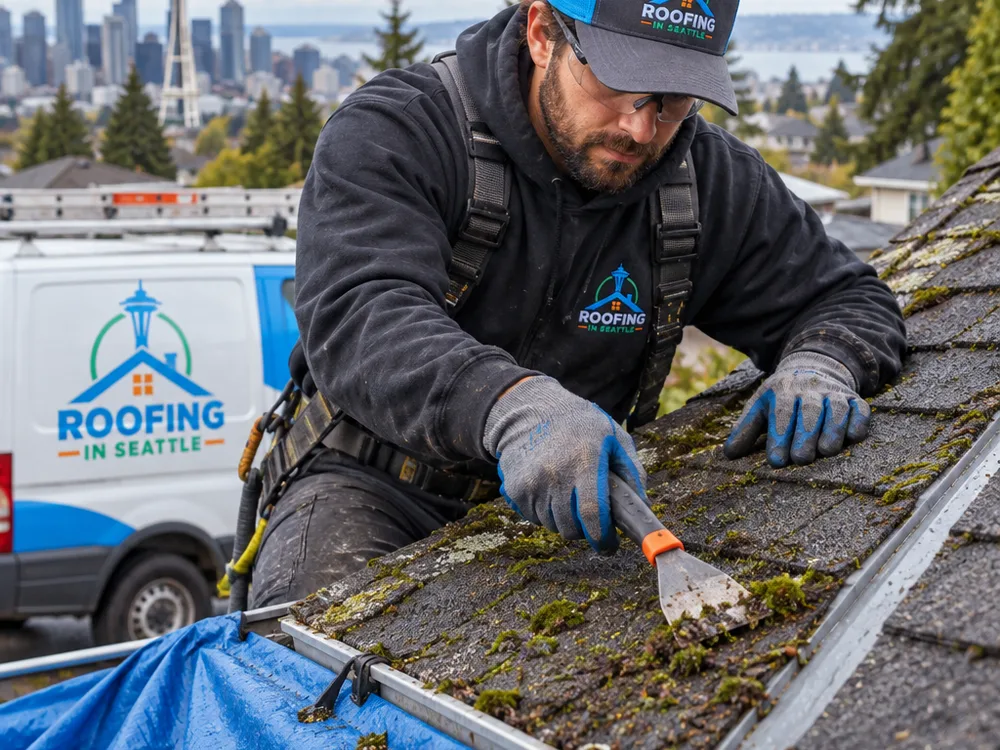
Moss is more than a cosmetic issue. On many Seattle-area roofs, it holds moisture against the surface, sheds grit into valleys and gutters, and can lift shingle edges as it thickens. Moss removal from a roof in Seattle is usually a combination of careful physical removal, targeted treatment to slow regrowth, and a thorough cleanup so the roof can drain the way it's supposed to.
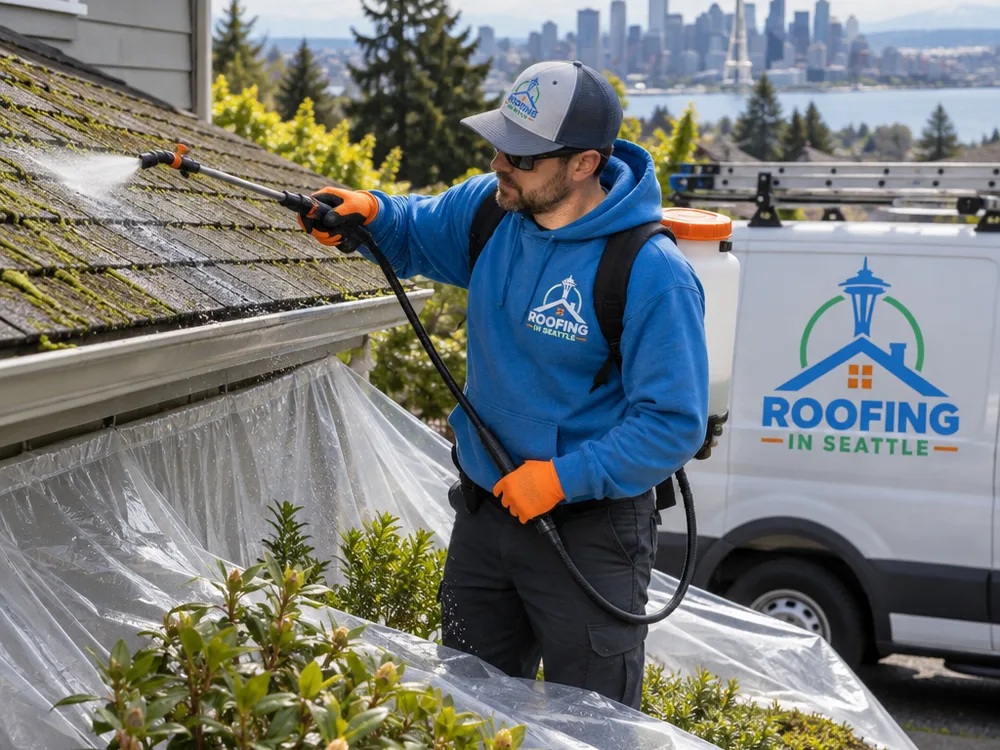
A contractor typically starts by identifying the roof type and the heavy-growth zones. North-facing slopes, shaded sections under tree canopy, and areas where debris collects—valleys, behind chimneys, and around skylights—tend to grow first. Then the work focuses on removing moss without damaging the roofing. On asphalt shingles, that usually means gentle scraping tools designed for shingles and controlled washing methods. Aggressive pressure washing can dislodge granules, loosen tabs, and shorten roof life, so most roofers avoid it or use very conservative settings only when appropriate for the material.
Expect the contractor to protect landscaping and keep runoff controlled. During roof moss removal in Seattle, WA, a proper cleanup matters as much as the removal itself: moss chunks and grit that fall into valleys or gutters can block drainage and create overflow at the eaves.
If you're deciding whether to call, the simplest trigger is this: if you can see green mats, thick pads at shingle edges, or clumps in valleys, it's time to have a roofer look at it. If you're also seeing shingle curling, missing granules, or active leaks, mention that on the call so you're connected with a contractor who can address the underlying roof condition, not just the surface growth.
If you're also comparing broader roof work, talking with roofers in Seattle can help you sort whether you're dealing with a cleaning issue, a ventilation and drainage issue, or a roof that is nearing the end of its service life.
Tell us the roof type, where the moss is building up, and what you've noticed. We use that to connect you with a local contractor who handles this job.
Seattle homes vary a lot by slope, tree cover, and access. We connect you with contractors who work in the Seattle area and understand those realities.
Moss removal methods differ for asphalt shingles, metal roofing, and flat or low-slope assemblies. The contractor can walk through what's appropriate for your roof.
Moss doesn't just sit on the roof. A good plan accounts for valleys, gutters, downspouts, and debris control so drainage paths stay clear.
You talk directly with the contractor, ask questions about the method and the scope, and decide whether to move forward.
Share the roof type if you know it, where the moss is worst—ridge, valleys, or north slope—and whether you've noticed clogged gutters, overflow, or leaks.
Based on what you describe, we match you with an independent contractor in the Seattle area who handles roof moss removal.
They may ask about roof height and access, steepness, skylights, chimneys, and tree cover, because those details affect the method and setup.
Once you and the contractor agree on the approach, they handle the moss removal, treatment options, and the cleanup plan for your property.
If moss is spreading across shingles or packing into valleys, describe the situation once.
A phone call is the quickest way to get connected with a contractor who can take it from there.
High pressure can strip granules from asphalt shingles and can lift or loosen shingle tabs, so many roofers avoid pressure washing on shingle roofs. A contractor will usually prefer shingle-safe scraping and low-pressure rinsing or treatment methods that don't rely on blasting the surface.
The most helpful details are the roof type—such as asphalt, metal, or flat and low-slope—the areas with the most growth, the roof height and access, and whether gutters are overflowing. Photos help if you have them, but you can still describe what you're seeing.
On asphalt shingles, contractors typically use specialty scrapers or brushes that lift moss while keeping the shingle surface intact, then use a treatment approach to slow regrowth. They also pay attention to valleys, ridge caps, flashing edges, and brittle shingles so the removal method matches the roof's condition.
A treatment step is often used to reduce how quickly new growth comes back, especially in shaded areas and on north-facing slopes. The contractor you speak with can explain what product type they use, how they manage runoff, and whether your landscaping needs protection.
Moss removal can help drainage and reduce moisture being held against the roof surface, but it won't repair damaged shingles, failing flashing, or underlayment issues. If you suspect active leaking, say so on the call so you're connected with a roofer who can inspect the roof condition and recommend repairs if needed.
A proper plan includes collecting larger debris, keeping valleys clear, and cleaning gutters and downspout inlets so water can move off the roof. Ask the contractor how they handle tarping, cleanup around the home, and final gutter checks before they leave.
It depends on shade, tree cover, roof orientation, and how well debris is kept out of valleys and gutters. In areas like Magnolia and parts of West Seattle where tree canopy is common, moss can return sooner than on sunnier, more exposed roofs; the contractor can suggest a maintenance interval based on your specific roof and yard conditions.
Call Roofing in Seattle and describe the roof and the problem areas once. We'll connect you with a local contractor who handles Seattle roof moss removal, explains the approach, and lets you decide what to do next.
CALL NOW: (206) 207-2777Service Area
Our referral network covers Seattle, Washington and nearby communities — explore the map to see the neighborhoods and surrounding areas we serve.